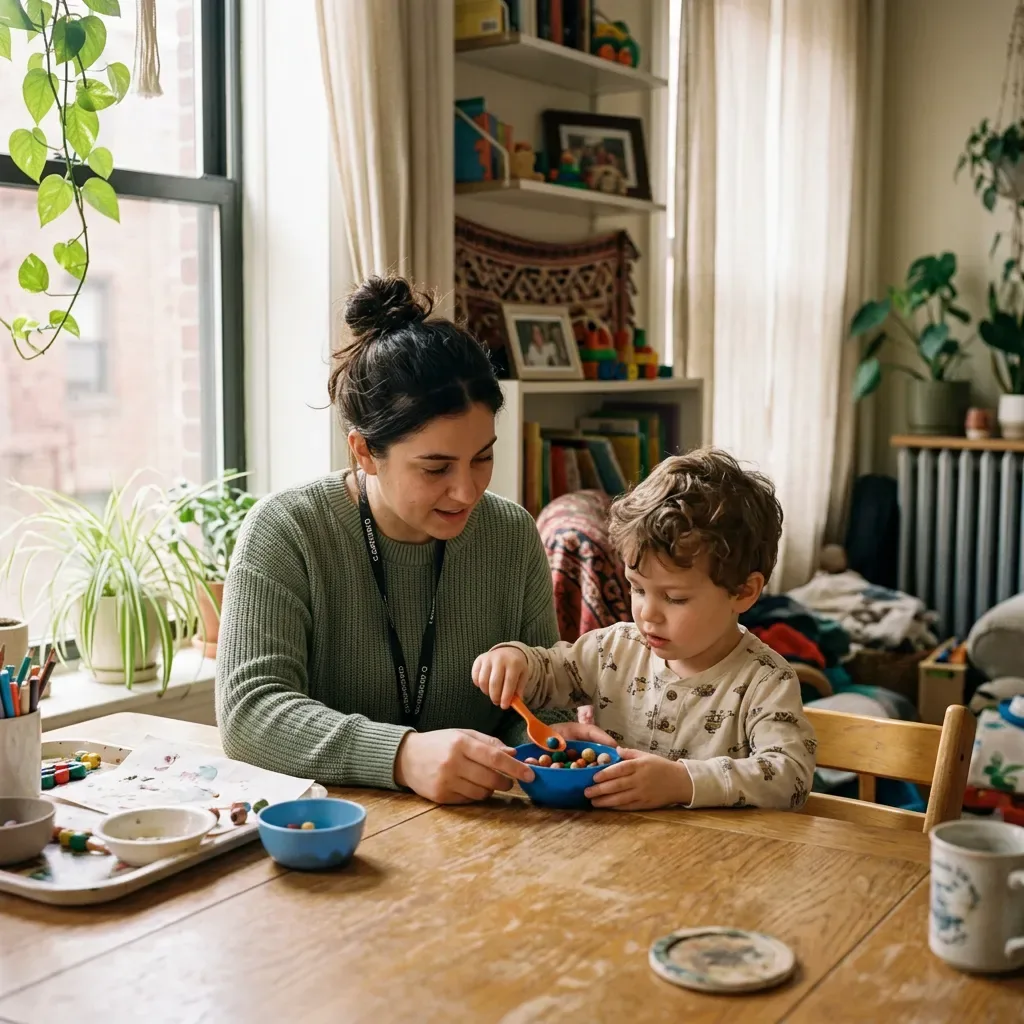
A pediatric home health aide helps your child bathe, eat, move, and get through the day safely — in their own home, on your family's schedule. Medicaid covers it for most children who qualify. No fees, ever.
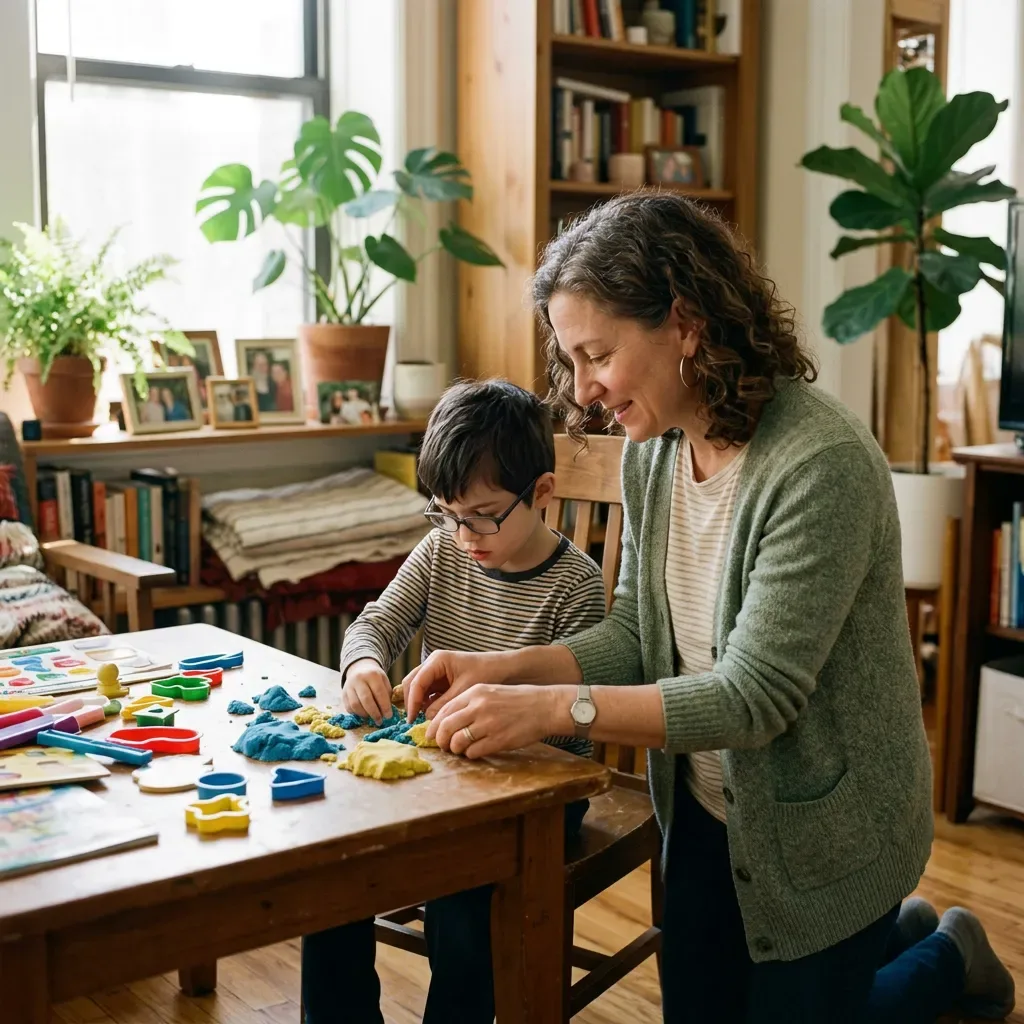
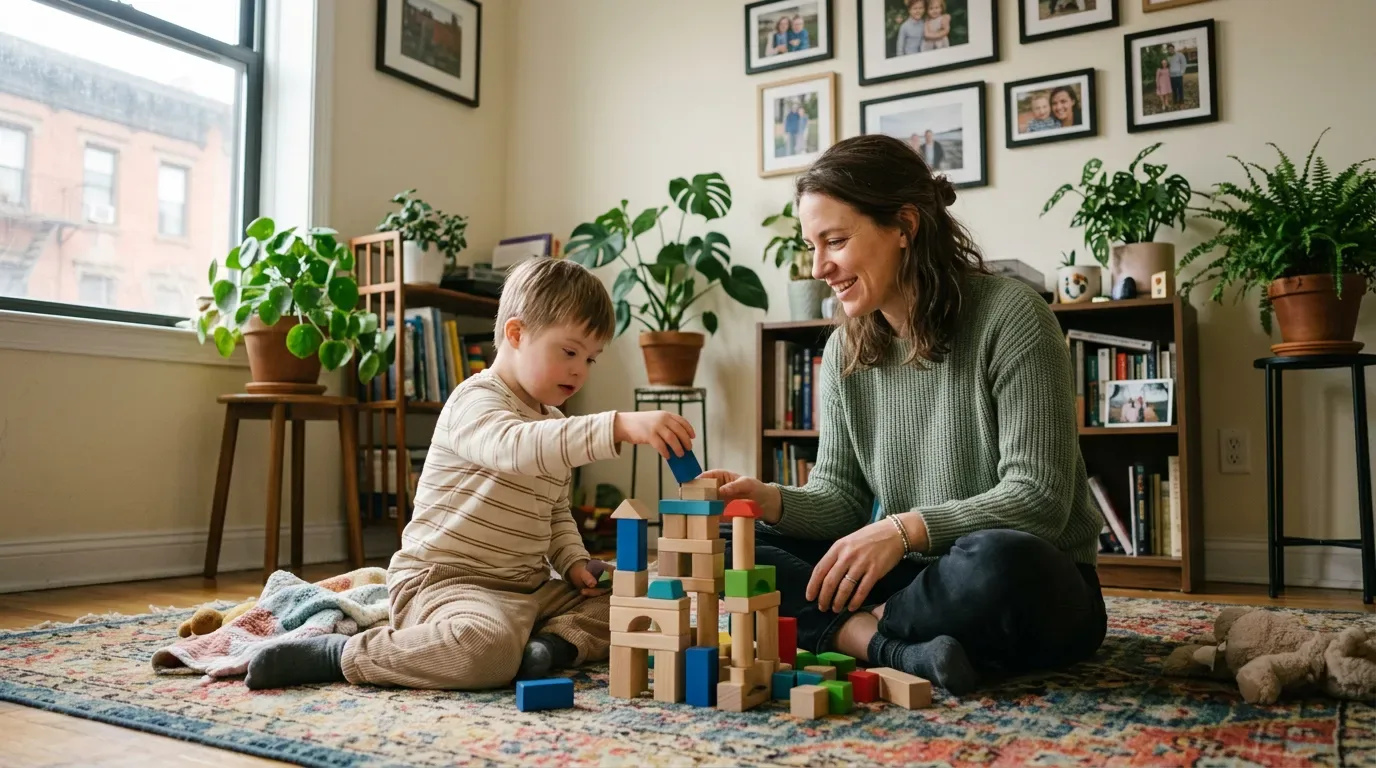
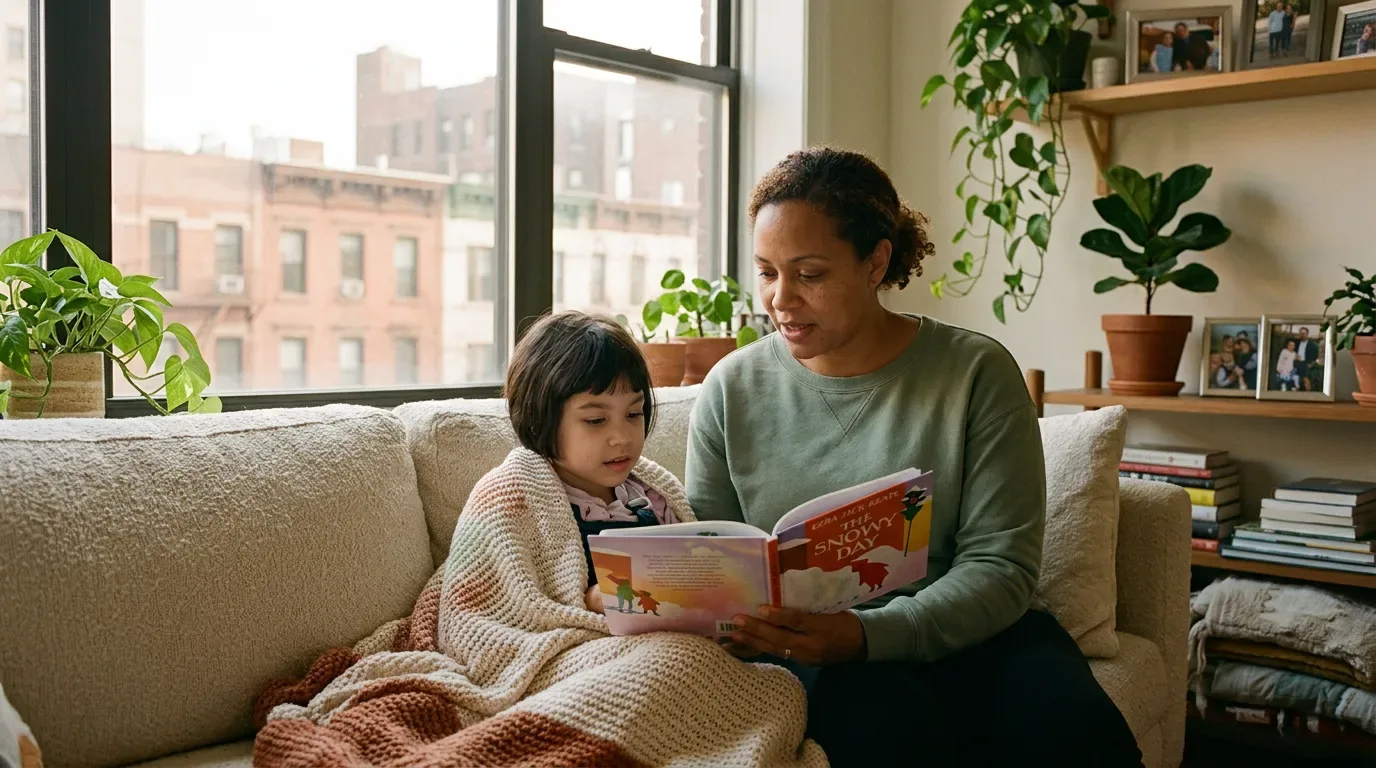
A pediatric home health aide provides one-on-one care for a child with a medical condition or developmental disability in the child's own home. The goal is to help your child stay safe, comfortable, and active — while giving your family real support in doing it.
Depending on your child's care plan, an aide may help with:
Bathing, dressing, grooming.
Meal preparation and feeding support.
Moving safely between bed, chair, and wheelchair.
When the care plan permits.
Watching for changes in your child's condition.
A consistent, familiar presence.
Related to your child's care.
Getting ready, staying on schedule.
Hours in the day that belong to you again.
Every task an aide performs comes from your child's care plan. Nothing is improvised.
The line families ask about most. An aide can remind your child to take medication when the care plan allows it. An aide cannot administer it. That's a nurse's role, and we'll tell you plainly if your child needs one.
Children with a wide range of medical and developmental conditions may qualify for pediatric home health aide services, including those with:
Autism spectrum disorder · Down syndrome · Developmental delays · Cerebral palsy
Seizure disorders · Neuromuscular disorders · Genetic disorders
Children recovering from surgery or serious illness.
A diagnosis by itself doesn't determine eligibility. What matters is your child's medical and functional need for hands-on help at home.
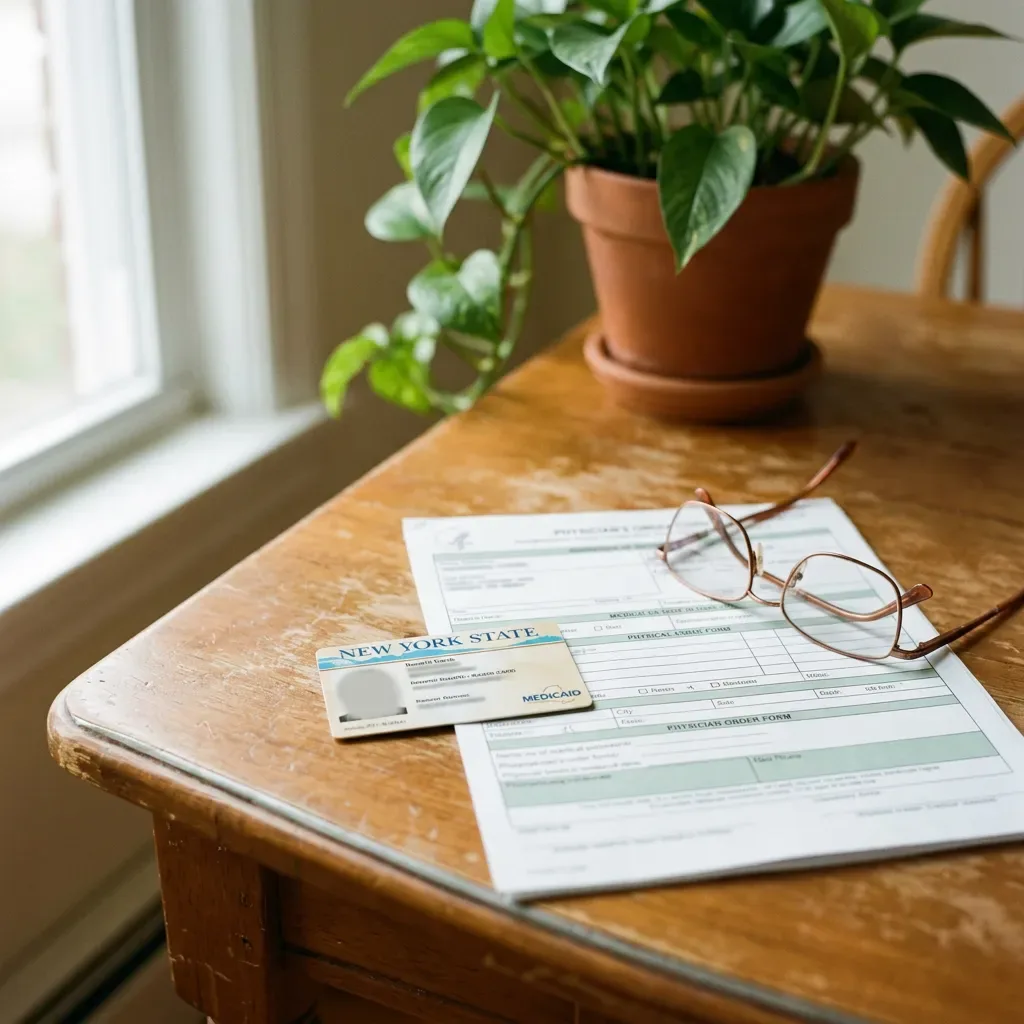
In New York, pediatric home health aide services are often covered through Medicaid when a child meets eligibility requirements and has a physician's order. Which pathway applies depends on your child's medical and functional needs.
OPWDD and the HCBS Medicaid Waiver.

This is the path for autism, cerebral palsy, intellectual disability, Down syndrome, and similar conditions originating before age 22. It also opens Community Habilitation, respite, Self-Direction, and the option to have a family member paid as the aide.
See how we run the OPWDD process for youThe Children's Waiver, or other Medicaid-funded programs.

Children with seizure disorders, neuromuscular conditions, genetic disorders, or those recovering from surgery may qualify here even when OPWDD does not apply.
Medicaid home care, explainedThese are different programs. They are often confused, including by providers. Amelia determines which one fits your child before you fill out a single form.

Diagnosis, what the day looks like, what's hardest.

OPWDD, Children's Waiver, or another Medicaid program.

Medicaid status and physician's order.

To your child's needs, your family's language, your schedule.

With ongoing coordination from our team.
Intake is bilingual. There is no fee for the conversation.
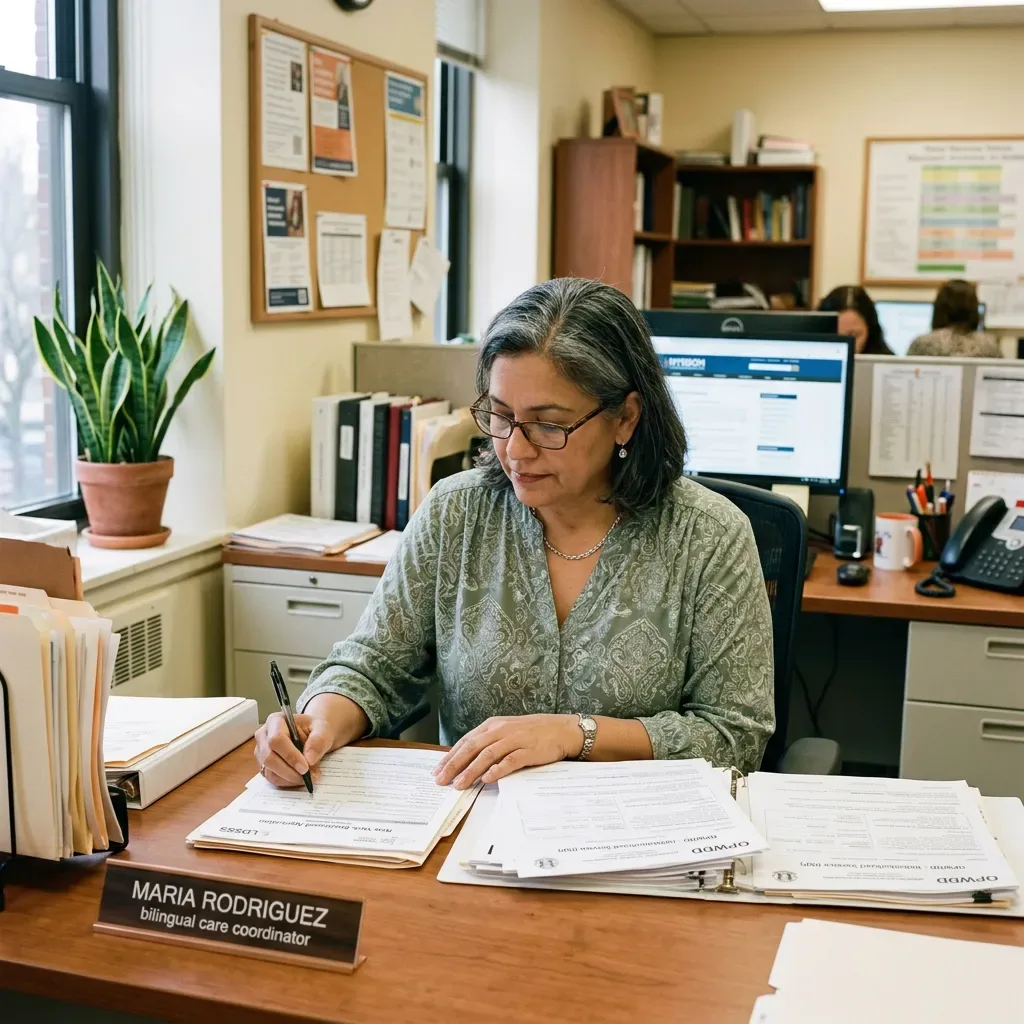
Amelia matches families with aides and case workers who speak their primary language — English, Spanish, Russian, Mandarin, Bengali, Haitian Creole, and Arabic.
For a child who is nonverbal, anxious, or newly diagnosed, being cared for in the language spoken at the dinner table is not a nicety. It's part of the care.
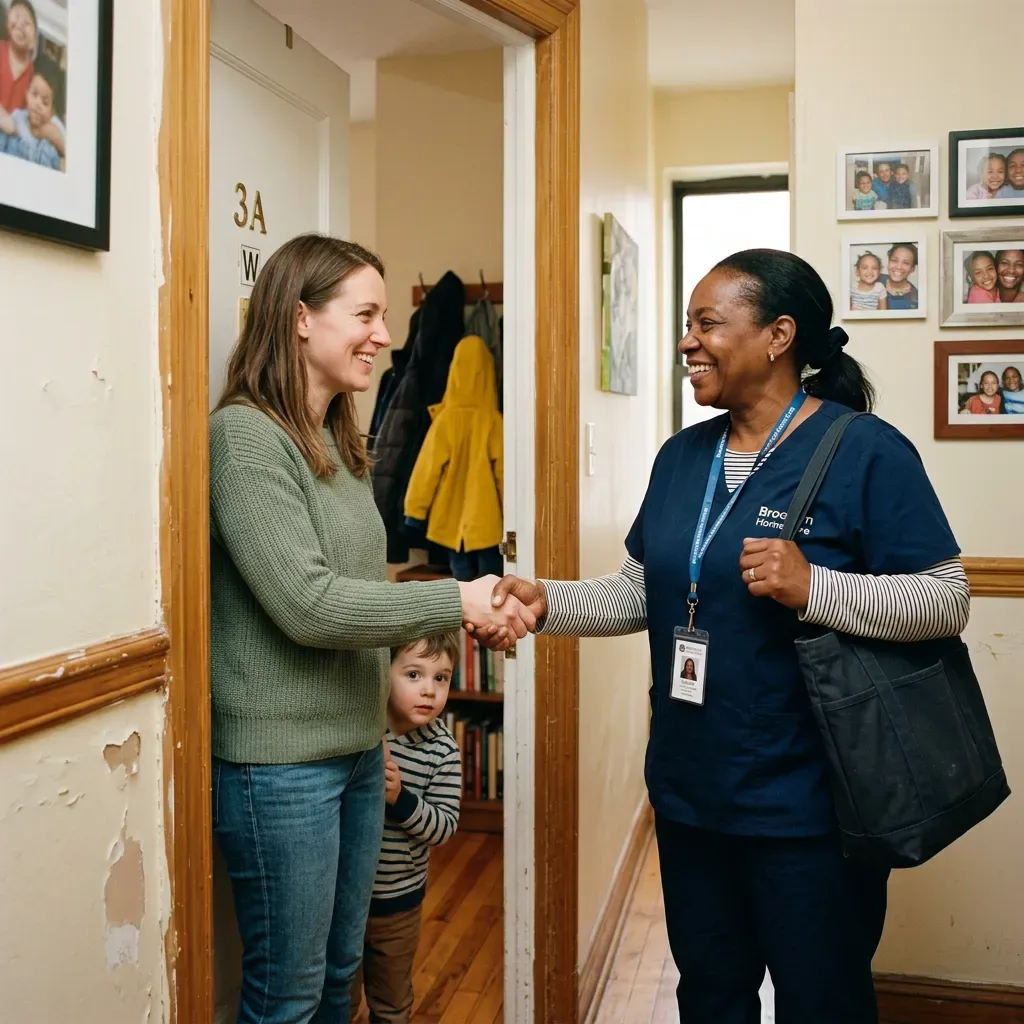
Pediatric aides from our Brooklyn and Bronx offices reach families across all five boroughs and Westchester County.
3007 Ocean Parkway, 1st Floor, Brooklyn, NY 11235
384 East 149 Street, Suite 400, Bronx, NY 10455
A pediatric home health aide provides one-on-one care for a child with a medical condition or developmental disability in the child's own home, helping the child stay safe, comfortable, and active while giving the family additional support.
A pediatric HHA may assist with personal hygiene including bathing, dressing, and grooming; feeding and meal preparation; mobility and transfers; medication reminders when permitted by the care plan; monitoring the child's condition and reporting changes; companionship and supervision; light housekeeping related to the child's care; assistance with school routines and daily activities; and respite for parents and caregivers.
A pediatric home health aide can provide medication reminders when the child's care plan permits. Administering medication is outside a home health aide's scope and requires a nurse.
Children who may qualify include those with autism spectrum disorder, cerebral palsy, Down syndrome, developmental delays, genetic disorders, neuromuscular disorders, seizure disorders, and children recovering from surgery or serious illness. Eligibility depends on the child's medical and functional needs, not diagnosis alone.
In New York, pediatric home health aide services are often covered through Medicaid when a child meets eligibility requirements and has a physician's order. Families may also qualify through the Children's Waiver or other Medicaid-funded programs, depending on the child's medical and functional needs.
OPWDD serves children with a developmental disability that originated before age 22, funding services through the HCBS Medicaid Waiver. The Children's Waiver is a separate Medicaid program serving children with medical complexity, including those who do not have a developmental disability. A child may qualify for one, the other, or neither. Amelia determines which applies before a family begins an application.
Yes. Respite for parents and caregivers is one of the core purposes of pediatric home health aide care.
Yes. Medicaid-funded pediatric home health aide services in New York require a physician's order along with meeting eligibility requirements.