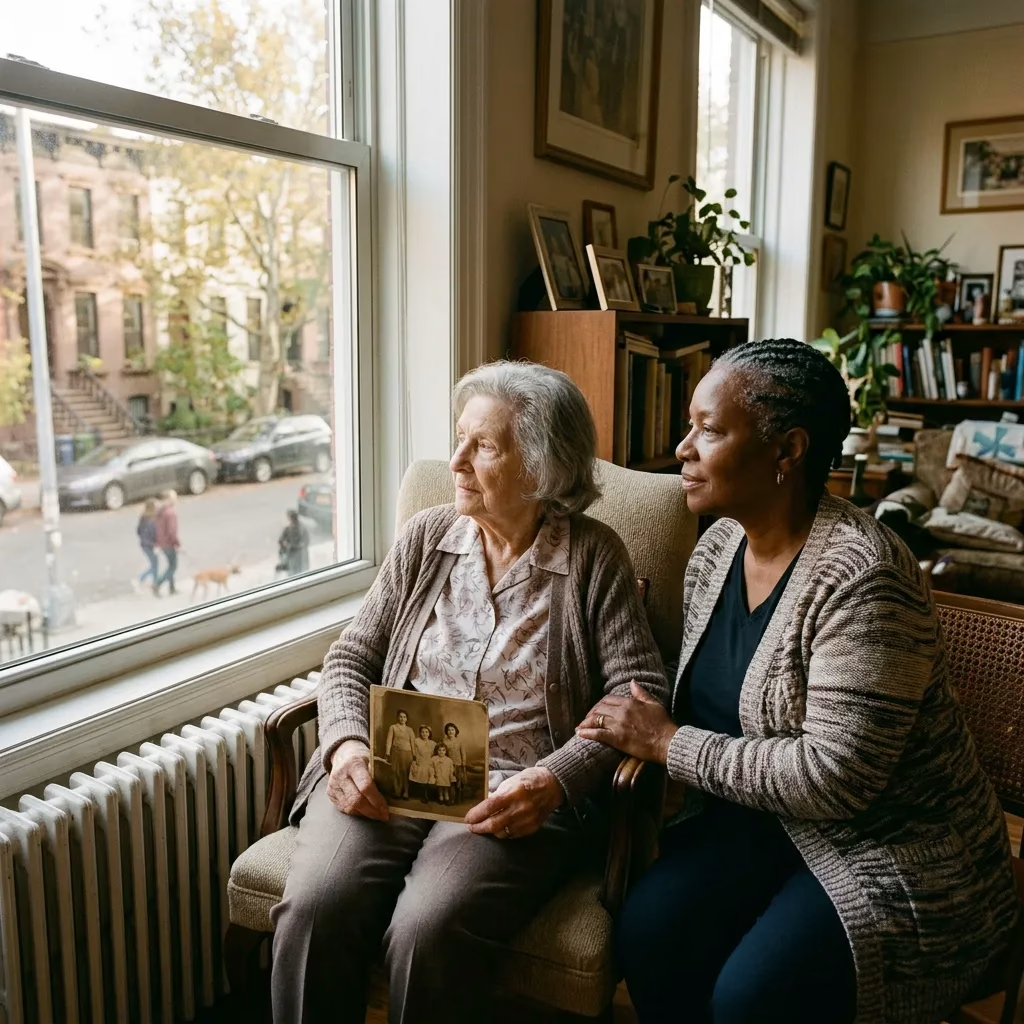
Moving someone with dementia into a facility — even a good one — often makes symptoms worse. The unfamiliar environment, the rotating night staff, the missing family photographs: it accelerates decline.
At-home dementia care, with the right caregiver, does the opposite. The walls are familiar, the bedroom smells the same, and the caregiver is the SAME person day after day — not a different name on every shift.
What our dementia caregivers do
- Redirect gently when agitation builds, instead of arguing with the reality your loved one is living
- Watch for sundowning and respond before it escalates
- Safe-home setup — remove fall hazards, label drawers, add door alarms when wandering is a risk
- Medication observation — the same person notices when something looks off
- Companionship that uses long-term memory — old photos, old music, old stories
Early-stage? Even a few hours of companion care a week can extend time at home by years.