
Spending quality time with your child is important to building a strong, loving relationship. When your child receives care at home, it opens many opportunities to bond more deeply. Engaging in various activities can spark joy and help you feel more connected.
A strong bond between you and your child creates a sense of stability and trust, which is essential for their growth. By incorporating fun and educational elements into daily home care, you transform okay days into good ones, filled with support and positive experiences.
Understanding the Importance of Bonding During Home Care
Bonding with your child is essential for building a strong relationship. It goes beyond simply spending time together; it's about nurturing a connection that helps your child feel loved and understood. When you engage in activities together, you show your child that they matter to you, which builds trust and strengthens your relationship.
Bonding brings emotional benefits for both you and your child. For your child, these interactions can boost their confidence and make them feel secure and cared for. When they feel understood, they open up more, leading to better communication between you. As a parent, bonding with your child can be deeply rewarding. It allows you to understand them better, see the world from their perspective, and share joyful moments that create lasting memories.
Having a strong bond affects your child’s sense of security and well-being. When children feel secure, they find learning and exploring their environment easier. This sense of safety encourages them to try new things and develop their own identities. Regular bonding activities make your child feel like part of a team, reducing anxiety and fostering a stable home environment where they thrive.
Engaging in Meaningful Play Activities
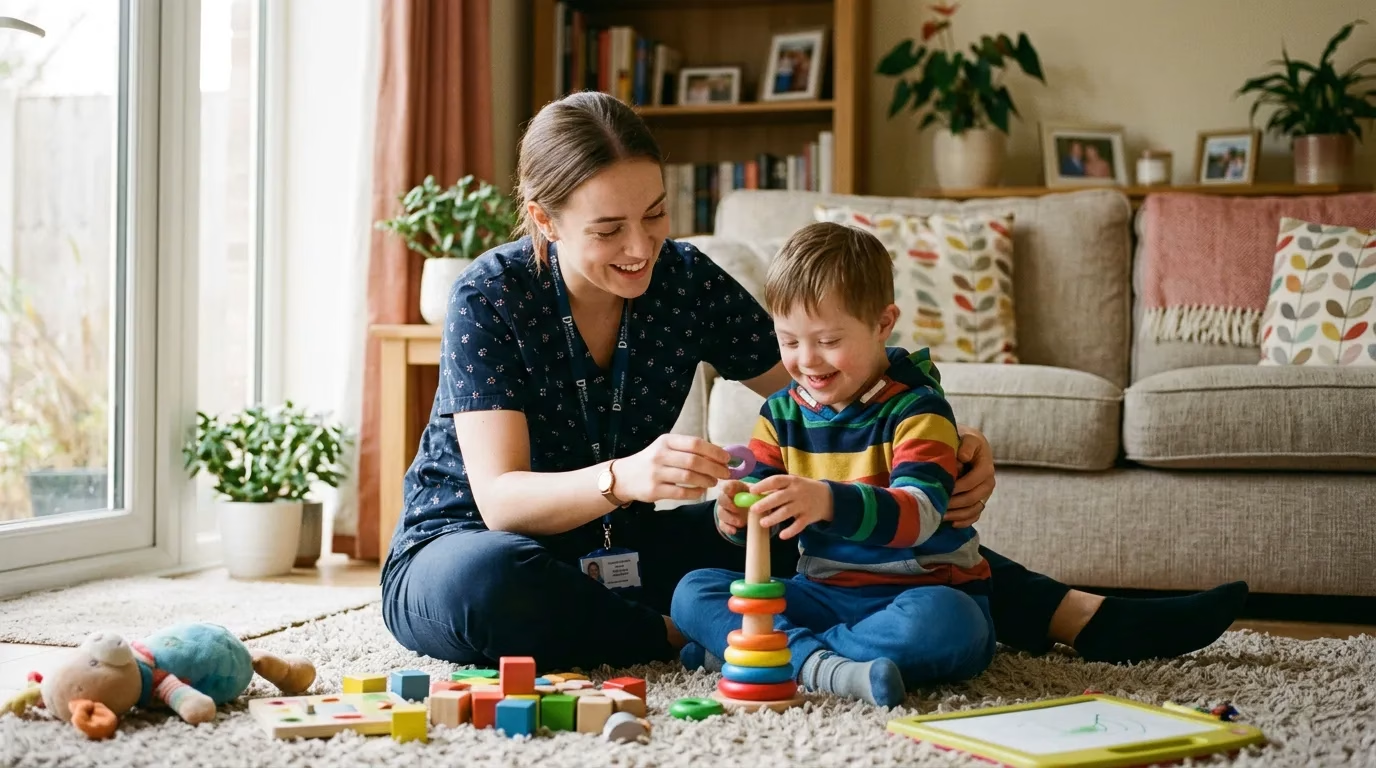
Play is an excellent way to bond with your child. It creates opportunities for interaction and helps improve verbal and non-verbal communication skills. Through play, you can learn more about your child's thoughts, feelings, and worldviews, making it easier to connect with them on a deeper level.
Here are some play activities that encourage interaction with your child:
- Puzzle Games: Work together to solve puzzles and develop problem-solving skills.
- Craft Projects: Use arts and crafts to create something special together.
- Story Time: Read stories and create your own endings or ideas.
- Outdoor Games: Enjoy tag, hide and seek, or catch activities.
Each of these activities can be tailored to suit your child's age. For younger children, focus on simpler tasks requiring guidance and encouragement. Older kids might enjoy challenges that test their creativity and skills. Adjusting play to fit your child’s interests keeps them engaged and helps you enjoy the time spent together.
Remember to listen actively during playtime. Ask questions and encourage your child to express themselves. This not only strengthens communication but also makes them feel valued and respected. Playtime is more than just fun; it's a foundation for a healthy relationship that benefits you both.
Incorporating Learning and Growth into Daily Routines
Incorporating learning into everyday routines is a fantastic way to bond with your child and support their growth. Educational activities don’t have to be complicated; they can be simple and enjoyable. For instance, cooking together is an excellent opportunity to practice math skills by measuring ingredients. Counting, adding, and even multiplying become part of a fun activity.
Here are a few more educational activities you can do at home:
- Nature Walks: Explore the outdoors to learn about plants and insects and encourage questions.
- Science Experiments: Conduct simple experiments to discover how things work.
- Art Projects: Enhance creativity by discussing colors, shapes, and textures.
- Home Library: Encourage reading by picking and discussing different books together.
It is crucial to make learning enjoyable. Use games, songs, and interactive methods to maintain engagement. Encourage your child’s natural curiosity by asking what they want to learn about and exploring topics together.
A consistent routine benefits your child by providing structure. This predictability helps children feel secure and organized and teaches them time management. Incorporate learning as a daily habit that flows naturally into your routine. This ensures your child views learning as a continuous adventure, not a separate task.
Overcoming Challenges in Creating Bonding Moments
While bonding with your child is rewarding, there can be challenges. Common obstacles include busy schedules and occasional behavioral issues that might disrupt your plans. It can be challenging to set aside quality time when balancing various commitments.
To handle these challenges effectively, consider creating a flexible schedule. Make bonding activities a priority, but allow for adaptability. If a planned activity doesn't work out, have a backup or be spontaneous in choosing something else. This ensures that bonding remains a joyous and stress-free part of your day.
Behavioral issues can arise from a child’s need for attention or frustration with change. Addressing these challenges involves understanding the root causes. Employ positive reinforcement and established rules to create a supportive environment. Open communication and expressing empathy can also help resolve issues as they arise.
Patience and flexibility are vital in maintaining a strong relationship. The goal is to show your child that you are there for them through both easy and challenging times. By remaining patient, you model behavior that helps them learn how to manage their emotions healthily.
Conclusion
Bonding during home care activities provides the perfect opportunity to strengthen your relationship with your child. Engaging in play, learning together, and overcoming the inevitable challenges fosters an environment where your child feels valued and secure. The investment in your relationship today lays the foundation for a lifelong bond. Every moment spent connecting and growing together contributes to a solid emotional base supporting your child's journey through life.
At Amelia Home Care, we understand the importance of creating meaningful experiences and bonds within families. Our approach to pediatric home care is centered on providing compassionate and comprehensive support that prioritizes the well-being and happiness of your child. Let us partner with you to create a nurturing, joyful environment for your loved ones. Reach out to Amelia Home Care today to explore how we can assist you in continuing to build strong, caring connections in your home.