
Key Takeaways
- Emotionally and physically demanding: U.S. caregivers average around 25 hours per week on care tasks. (Source: Guardian Life)
- Unpaid family caregiving annually contributes roughly $873.5 billion in economic value. (Source: Otsuka US)
- The “sandwich generation” spends ~22 hours weekly on eldercare, balancing children and elderly parent care. (Source: MarketWatch)
- Many caregivers face emotional and financial strain: average $7,200 out-of-pocket expenses annually. (Source: Caregiver Action Network)
- Trust Amelia Home Care for in-home support that helps keep parents safe, cared for, and supported.
Topic Overview
Caring for aging parents at home is deeply meaningful but also demanding. Managing medical needs, ensuring safety, and preserving your own emotional resilience requires planning and support. This post walks through key caregiving challenges and practical strategies to help.
Client Recommendation Box
At Amelia Home Care, we provide compassionate, dependable in-home assistance ranging from daily help to respite and medical coordination.
Learn more about our services - /services
1. Emotional & Physical Stress of Caregiving
Family caregiving in the U.S. has surged rising from 18.2 million to 24.1 million caregivers between 2011 and 2022. Many caregivers average 25 hours weekly 25% providing more than 40 hours per week. The physical and emotional toll is significant: many report sleep disruption, stress, isolation, and depression.
2. Medical & Healthcare Coordination
Chronic illnesses and cognitive conditions like dementia increase care demands caregivers supporting dementia patients spend an average of 31 hours per week. Unpaid caregiving is valued at a staggering $873 billion annually, nearly 3% of GDP. Alzheimer’s and dementia care alone account for $346 billion. Managing medications, attending medical appointments, and tracking treatment changes are everyday tasks requiring structure and attention.
3. Balancing Safety & Independence
About 63% of U.S. adults desire to age in place, yet many struggle to afford it. Home safety upgrades like grab bars, good lighting, and non-slip mats reduce fall risk. Mobility aids and gentle exercise routines (e.g., tai chi or stretching) help seniors maintain strength and confidence. Emergency alert systems also add peace of mind.
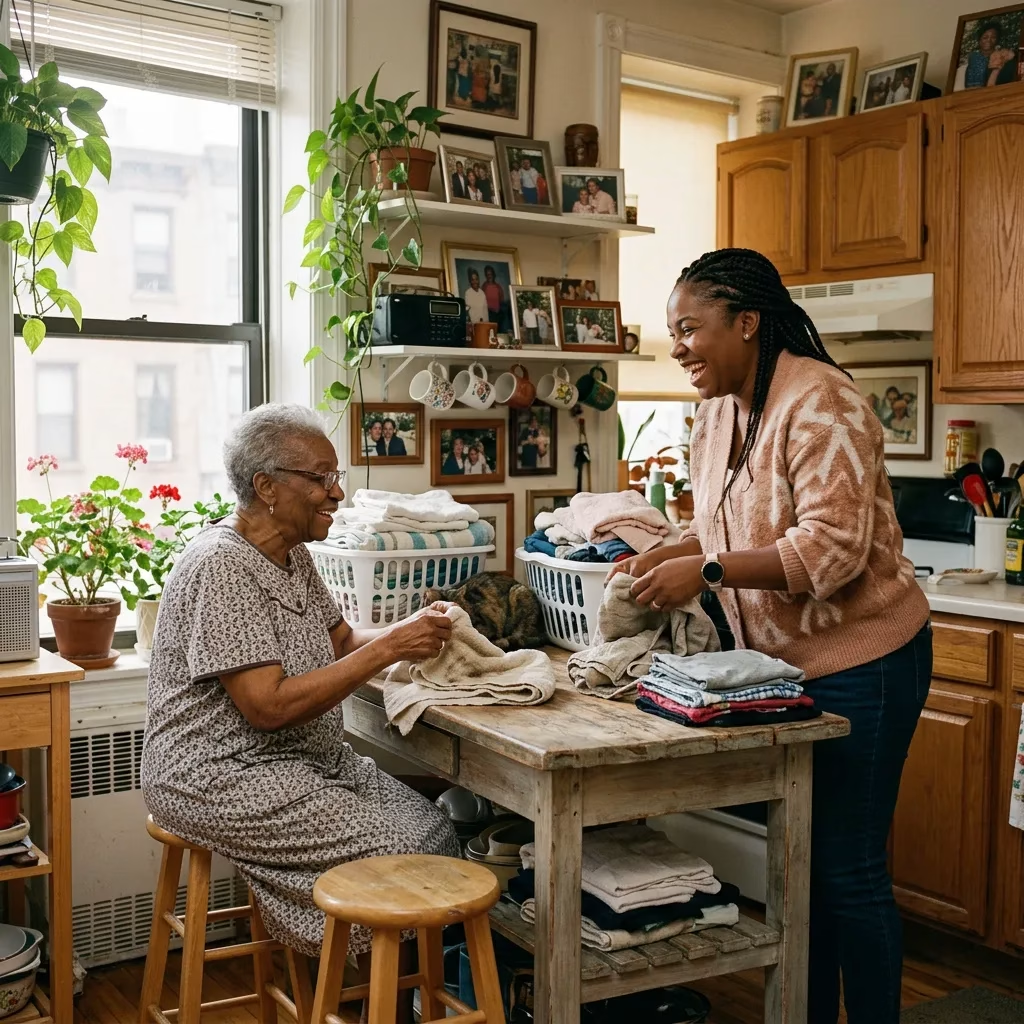
4. Support & Practical Strategies
Over 50 million Americans provide care for family members including elderly parents. Respite care can delay institutionalization and relieve caregiver burnout. Families can regain balance and remain healthier over the long term. Digital tools like medication apps, calendaring services, safety alerts streamline care tasks and reduce stress.
5. Caregiving in Numbers: Quick Lookup Table
| Metric | U.S. Average |
| Adults serving as caregivers | ~44.6 million unpaid caregivers |
| Average weekly caregiving hours | ~25 hours/week; 25% > 40 hrs/week |
| Dementia caregiving hours | ~31 hours/week for dementia care |
| Caregiving economic value | ~$873.5 billion/year (~3% GDP) |
| Annual out-of-pocket cost | ~$7,200 per caregiver |