
Communication plays a crucial role in pediatric home care. It's not just about giving instructions or making requests; it's the heart of understanding a child's unique needs. Imagine a scenario where a child, who cannot easily express their feelings or discomfort, is left frustrated due to a lack of clear dialogue. Here, effective communication steps in, acting as a bridge between the child and the caregiver. It helps caregivers understand what the child might be going through even when words fall short. The ultimate goal is to create a comforting environment where the child feels heard and cared for, easing their anxieties and helping them cope with their situation.
In pediatric home care, every child is different, each with their unique way of sharing emotions. Communication can adapt, making it possible for caregivers to connect with children on a deeper level. Whether it’s through storytelling, visual aids, or simply a comforting word, communication transforms care into a collaborative journey. It fosters trust not just between the caregiver and the child, but also among family members, creating a unified approach to care and well-being.
Why Communication Matters in Pediatric Home Care
Communication goes beyond exchanging words; it's about creating meaningful interactions. For children in home care, this is especially important because it provides them with a sense of stability and reassurance. Here are some reasons why communication is the cornerstone of effective pediatric care:
- Understanding Individual Needs: Every child expresses themselves differently. Some may speak clearly, while others might rely on gestures or facial expressions. Communication helps caregivers decode these subtle signals, ensuring the child’s needs are always met.
- Building Trust and Comfort: When caregivers communicate with empathy, they build a bond of trust. This trust not only makes children feel safe but also encourages them to express themselves more openly.
- Facilitating Emotional Expression: Kids often struggle with emotions, and a good communicator can help them find words or actions to express how they feel. This is crucial for their emotional development and overall happiness.
An example of this can be seen when caregivers use simple sign language or picture boards with non-verbal children. It opens up a new world for these kids, allowing them to convey their feelings, needs, and even preferences. The caregiver, in turn, becomes more in tune with the child's likes and dislikes, fostering a more personalized care experience.
Communication doesn’t just happen; it requires patience and creativity. As caregivers become more adept at engaging with children, the emotional and psychological benefits for the little ones multiply. The better the communication, the richer the relationship between the child and caregiver, leading to a healthier and happier home care environment.
Effective Communication Techniques
In pediatric home care, implementing certain techniques can significantly improve how caregivers connect with children. These methods ensure that children feel understood and enhance their comfort during home care.
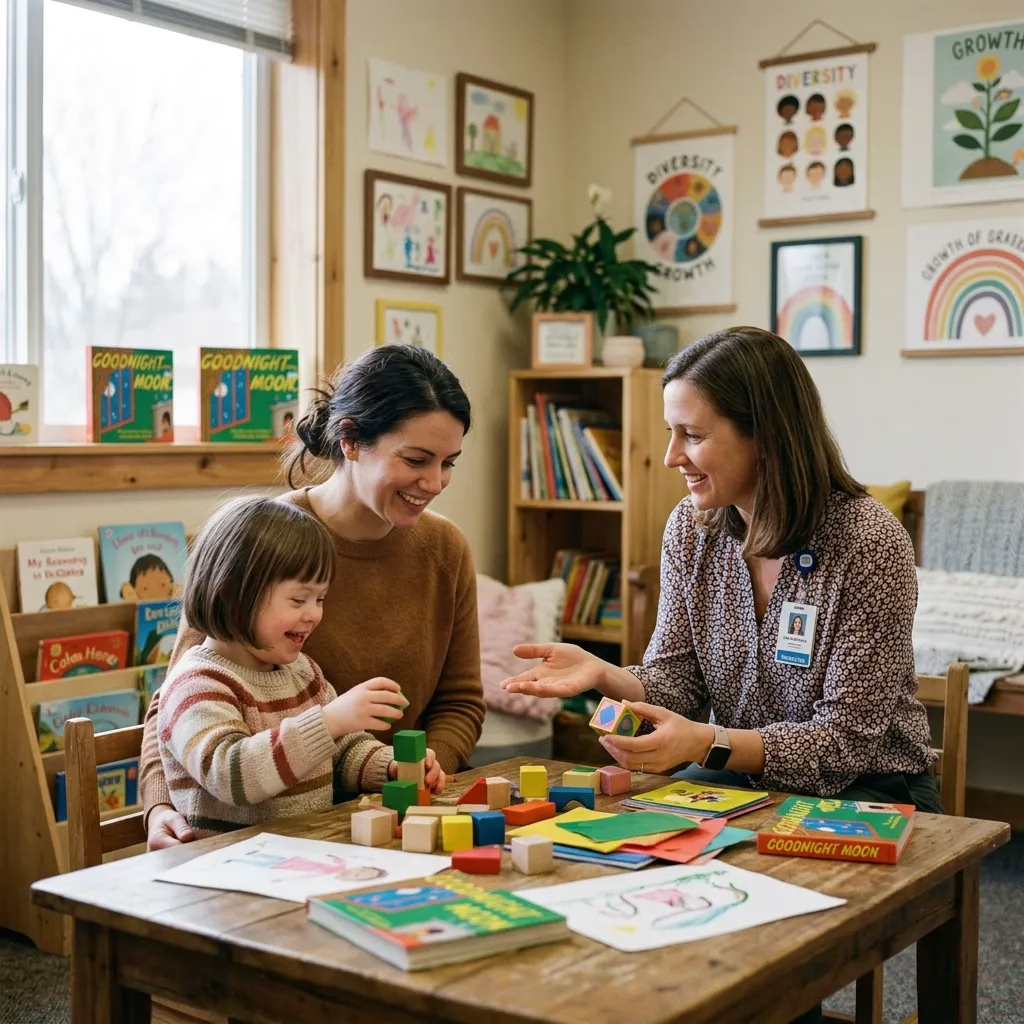
One key approach is using simple language paired with visual aids. Visual aids can be anything from flashcards to storybooks and help children who struggle with verbal communication. They can point to images or nod at them, making it easier to express their feelings or needs. Visuals can often bridge the gap between caregivers and children, providing clarity and reducing frustration.
Active listening is another vital aspect of communication. It’s more than just hearing words; it involves understanding the emotions and needs behind them. Caregivers can show they are fully engaged by maintaining eye contact and responding with empathy, which reassures the child that their feelings are valid. Being patient and allowing children the time and space to express themselves at their own pace is crucial.
For non-verbal children, fostering communication might include techniques like using tactile signals or sign language. These methods give children alternative ways to share their world. A gentle tap on the hand could mean they want attention or signaling to objects might convey their interests or needs.
By employing these techniques, caregivers can develop a supportive environment where communication blossoms, and children feel both heard and valued.
Involving the Family in Communication
Communication in pediatric home care should not be limited to interactions between the child and caregiver. Involving the family is essential as it strengthens the support network surrounding the child. Family members can provide valuable insights into the child’s preferences and habits, which enhances care quality.
Caregivers can encourage family involvement by establishing open dialogue with parents and siblings. Regular check-ins or family meetings can provide opportunities for everyone to discuss care plans and address any concerns.
Here are some practical strategies to integrate family involvement:
- Regular Updates: Share daily or weekly updates with family members about the child’s progress or any notable changes. This keeps everyone informed and involved.
- Collaborative Goals: Set care goals that involve input from both the family and the caregiver. This ensures everyone works toward a common objective and feels invested in the child’s well-being.
- Supportive Environment: Encourage family members to engage in care activities. This could mean playing games together or being present during care sessions, which provides emotional support to the child.
By actively engaging families, communication becomes a team effort, enriching the care process and fostering a nurturing atmosphere for the child.
Addressing Communication Challenges
While effective communication is the goal, challenges can arise in pediatric home care. These might include language barriers, emotional distress, or even physical limitations. It's important to recognize these issues and have strategies in place to tackle them.
Common barriers like language differences can be addressed by utilizing translation tools or working with bilingual caregivers. For emotional distress, creating a calm and reassuring environment helps children feel safer to express themselves. Physical limitations, such as hearing impairments, might require specialized communication tools like hearing aids or tailored assistive devices.
Here are some tips for overcoming these communication challenges:
- Be Flexible: Adapt communication strategies to fit the unique needs of each child. What works for one child might not work for another.
- Training and Workshops: Pediatric Home Health Companies can offer training sessions for caregivers, focusing on advanced communication skills and strategies for specific challenges.
- Feedback Loops: Encourage open feedback from the child, family, and caregivers. This helps identify what works well and where improvements are needed.
By identifying and addressing these challenges, pediatric home care can become a more seamless and supportive experience, enhancing the quality of care provided.
Ensuring Quality Care Through Communication
Communication is a fundamental component of pediatric home care. It paves the way for understanding, trust, and emotional connection between the caregiver, child, and family. By focusing on clear and empathetic communication, caregivers can transform the care experience into something truly meaningful.
Through embracing effective techniques, involving families, and overcoming challenges, caregivers make a significant difference in how children perceive and interact with the care they receive. Communication doesn't just improve the present; it lays the foundation for a healthier, more connected future for every child in home care.
Effective communication is key to quality pediatric care. Understanding each child's unique needs and ensuring they feel supported is essential. Amelia Home Care is dedicated to providing compassionate care that fosters meaningful connections. To learn more about how pediatric home health companies enhance communication and support families, reach out to us today.