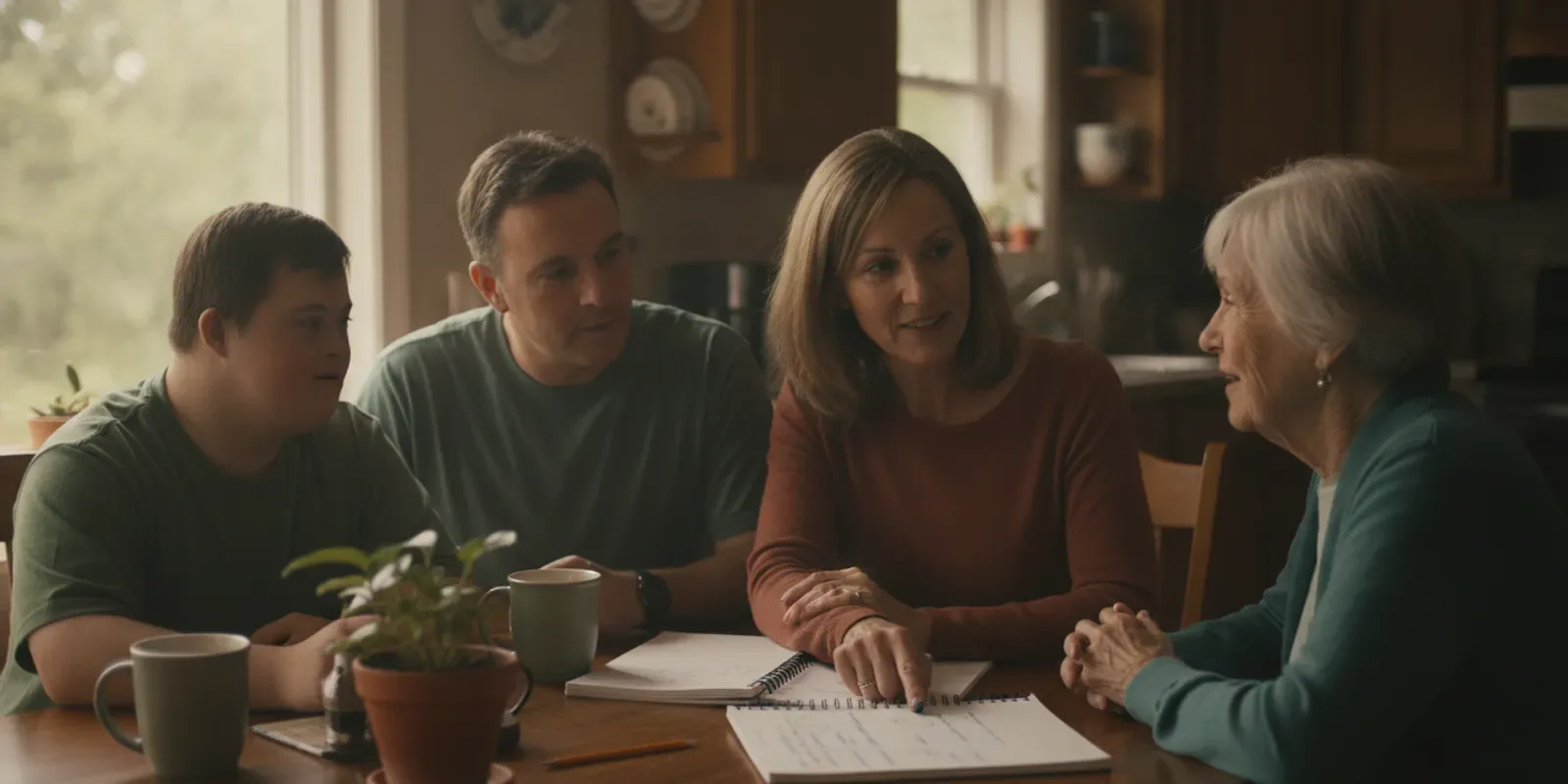
When an older adult wants to remain at home, families often look for ways to respond if a fall, sudden illness, or other urgent problem occurs. A personal emergency response system for seniors may offer one way to call for help, but it is not a substitute for hands-on care or a complete safety plan. Understanding how the system works—and what it cannot do—can help families decide whether it fits alongside home care.
Discuss your family’s senior care needs
What is a personal emergency response system?
A personal emergency response system, often called a PERS, is a device or service designed to let someone request help in an emergency. Common setups include a wearable button, such as a pendant or wristband, that connects to a base unit or a communication network. Depending on the service, a user may press the button to speak with a monitoring center or contact a chosen person.
Some products also advertise automatic fall detection, location features, or activity sensors. Those functions vary by device and service. A family should check how each feature works in practice, including what happens if the user cannot press a button, the device is not being worn, or the connection is unavailable. A device should be viewed as one possible part of a broader plan, not a guarantee that help will arrive or that harm will be prevented.
Research has examined combinations of home emergency systems, motion sensors, and social services for older adults. One published study describes such an intervention for community-dwelling adults aged 75 and older; it is an example of a combined approach, not proof that any individual device is right for every household. Read the study description.
When might a PERS be worth discussing?
Families may consider a system when an older adult spends time alone, wants a way to call for help without reaching a phone, or is returning home after a change in health or routine. It may also be part of a conversation about how to support independence while family members are at work or live elsewhere. These are reasons to ask questions, not signs that a system is necessarily needed.
Start with the person’s preferences and daily life. Would they be comfortable wearing a device? Can they use its controls? Do they have a reliable phone or network connection where they spend time? Would a monitoring service, family contact, or another arrangement best match their wishes? Include the older adult in the discussion whenever possible.
It can help to describe the actual concern rather than starting with a product. For example, a family might be worried about a parent who has had a recent fall, a person who sometimes forgets a phone in another room, or someone who is alone for several hours. The right next step depends on the person’s needs, home, routines, and available support.
What should families ask before choosing a system?
Features and service arrangements differ. Before signing up, ask the provider to explain the system in plain language and demonstrate how it works. Consider these questions:
- How does the user request help? Is there a wearable button, a base unit, an app, or another method? Can the person operate it comfortably?
- Where will it work? Ask about range within the home, use outside the home, required cellular or internet service, and what happens during a power or network interruption.
- What happens after an alert? Find out whether the alert reaches a monitoring center or selected contacts, how the responder confirms the person’s location, and which people will be called.
- Is fall detection included? Ask whether it is optional, how it is activated, and what limitations the provider describes. Do not assume that it detects every fall or replaces a call for help.
- How is the device maintained? Ask about charging, battery checks, testing, replacement, water exposure, and what the user should do if the device is lost or damaged.
- What are the terms and total costs? Request a written explanation of equipment, monitoring, setup, cancellation, and any other charges. Coverage and payment depend on the specific plan and person; do not assume Medicaid or another program will pay.
- Who will keep the contact list current? Decide who can answer calls, who has a key or access plan where appropriate, and how to update contacts when circumstances change.
Ask the older adult to try the device and describe what they would do in a few situations. If the steps feel confusing, the device may need different setup or may not be a good fit. A family can also ask a clinician or care coordinator about concerns that involve health or changing support needs.
How does a system fit with in-home support?
A response system and home care serve different purposes. A device is meant to help someone send an alert. A home care aide provides in-person assistance during scheduled or authorized care, based on the service arrangement. A device does not help with meals, dressing, bathing, mobility, companionship, or other day-to-day needs while a person is alone. And an aide’s presence does not remove the need to plan for times when the aide is not there.
For a clearer picture, write down the parts of the day when support is needed: mornings, meals, mobility, personal care, appointments, or overnight. Note when the person is alone and what kinds of help family members can provide. This can help identify whether the question is mainly about calling for emergency help, regular hands-on assistance, or both.
Families comparing options can read about senior home care in New York and different types of home care. Depending on an individual’s needs and program authorization, services may include companion or personal care, live-in care, or 24-hour care. Eligible Medicaid-funded services may be available at $0 cost to families, subject to program rules; not every person or service qualifies.
For someone living with memory changes, a wearable device may be forgotten, removed, or difficult to use. Families can consider whether another person needs to be present, how familiar routines are supported, and what plan works for the individual. Amelia’s guide to dementia care at home offers additional questions to discuss when arranging support.
How can families prepare an emergency plan?
A device works best as one part of a plan that people understand. Write down what the older adult should do when they need help and what family members or other contacts should do when they receive an alert. Keep the plan accessible to the people involved, and review it if the person’s health, home, or support arrangements change.
- Agree on contacts. Identify who is contacted first and what to do if that person does not answer. Confirm that contacts are willing and able to respond.
- Clarify access. Decide how responders or trusted contacts can reach the person. Discuss keys, building entry, and any relevant instructions with the appropriate people.
- Practice the steps. Make sure the older adult knows how to wear, test, and use the device. Follow the provider’s instructions for routine tests.
- Plan for gaps. Consider what support is available when family members are away, the device is charging, or the older adult is outside the system’s coverage area.
- Review together. Revisit contact details and responsibilities after a hospital stay, a move, a change in routine, or a change in care needs.
Emergency planning should be based on the individual’s circumstances. For urgent or immediate danger, use the appropriate emergency response rather than waiting for a routine care discussion.
What should referral professionals consider?
Care managers, social workers, hospital discharge teams, and nonprofit or community-organization staff may be asked whether a device or home care is the next step. A practical referral starts with what the older adult wants, what assistance is needed, when the person is alone, and who is available to help. Avoid assuming a device, a particular funding path, or a home care service is appropriate before the person’s situation is discussed.
With the person’s permission, useful information for an initial conversation can include the discharge or transition date, daily support needs, language preference, current care arrangements, and the family’s main concerns. Do not send unnecessary health details through an unsecured channel. A referral can help the family understand which questions to ask next; it should not promise eligibility, authorization, a caregiver placement, or a particular outcome.
Amelia Home Care serves families in Brooklyn, the Bronx, Manhattan, Queens, Staten Island, and Westchester County. Its team can discuss senior home care options and intake next steps with a family or appropriate referral partner. Bilingual intake is available, and aides speak seven languages, according to the company’s service information.
What is a useful next step?
Before choosing a PERS, talk with the older adult about their comfort, routines, and priorities. Ask the device provider to explain service limits, test the equipment, and confirm how alerts are handled. Separately, consider whether the person also needs scheduled, in-person assistance and who will coordinate support.
Families who want to explore hands-on help can review personal care considerations for seniors and questions to ask about home care in Manhattan. Amelia can discuss an individual situation and potential next steps, including whether a family may wish to explore Medicaid-funded options. Any eligibility or service decision depends on applicable program rules and the person’s circumstances.
Request a free senior-care consultation
Frequently asked questions
Does a personal emergency response system replace home care?
No. A system may provide a way to call for help, depending on its features and connection, while home care provides in-person assistance under an agreed service arrangement. Families should consider both the times help is needed and the support available when a caregiver is not present.
Can a PERS guarantee that someone will be safe at home?
No device can guarantee safety or prevent every emergency. Families should ask how the service works, understand its limitations, and make a plan that fits the older adult’s needs and preferences.
Will Medicaid pay for a personal emergency response system?
Coverage should not be assumed. Ask the plan or program and the system provider whether the specific device and service may be covered for the individual, and confirm any conditions or costs directly. Medicaid-funded home care may be available at $0 cost for eligible services and people, subject to program rules, but that does not establish coverage for a PERS.
What if my family is also considering in-home help?
Make a list of the daily tasks, times of day, and periods when the person is alone. A senior-care discussion can help clarify what kinds of in-home support may be appropriate to explore, separately from decisions about an emergency response device.
A personal emergency response system may be one useful tool for some older adults, but the best decision comes from matching its limits and features to the person’s preferences, home, and broader support plan.