
Play is more than just fun and games for children, especially those receiving home care. It is an essential part of childhood that contributes to physical, mental, and emotional growth. Children expand their imagination, practice problem-solving skills, and develop coordination and strength through play.
Engaging in play also allows family members and caregivers to connect with the child in a fun and supportive manner. This makes playtime a shared experience that strengthens bonds and improves overall well-being. Understanding the vital role of play helps caregivers create a nurturing environment where children can flourish.
Understanding the Benefits of Play in Pediatric Care
Play is a powerful tool for growth and development in children. It supports physical health by helping kids improve motor skills and coordination. Through running, jumping, and climbing, children strengthen their muscles and enhance balance. Movement-based play also encourages children to stay active, promoting overall well-being and reducing health risks associated with inactivity.
Cognitive development is another crucial benefit of play. Through imaginative play and puzzles, children learn to think critically and solve problems. They experiment with ideas, practice decision-making, and develop perseverance. Such activities stimulate brain function and nurture intellectual growth, providing a strong foundation for learning.
Finally, play fosters emotional development. It offers a safe space for children to express their feelings and explore independently. By role-playing or storytelling, children process emotions and learn empathy. This emotional exploration is essential in building resilience and self-awareness.
In pediatric home care, integrating play into daily routines supports these aspects of development. Play activities provide structure and opportunities for learning while delivering joy and a sense of accomplishment. Recognizing these benefits helps families and caregivers create environments where play is integral to the child's care plan.
Types of Play Activities for Children in Home Care
Engaging children in diverse play activities helps address their unique interests and developmental needs. Each type of play offers different benefits, catering to various age groups and abilities.
1. Sensory Play
Activities like finger painting or playing with sand stimulate the senses and improve fine motor skills. They are perfect for younger children or those who benefit from tactile experiences.
2. Imaginative Play
Dressing up or creating stories with toy figures encourages creativity and language skills. It offers a stage for children to express themselves and try new roles, enhancing emotional intelligence.
3. Physical Play
Games like hopscotch and obstacle courses promote physical health and coordination. These activities allow children to release energy positively and develop strength and agility.
4. Educational Games
Puzzles and building blocks inspire problem-solving and cognitive growth. They help children understand spatial relationships and encourage persistence in completing tasks.
5. Social Play
Playing board games or participating in group activities builds social skills and teamwork. It teaches children the importance of sharing, taking turns, and cooperating with peers.
Caregivers can address multiple developmental goals by including various types of play in a child's care plan. Play's diversity ensures that children remain engaged and continue to learn in enjoyable and meaningful ways.
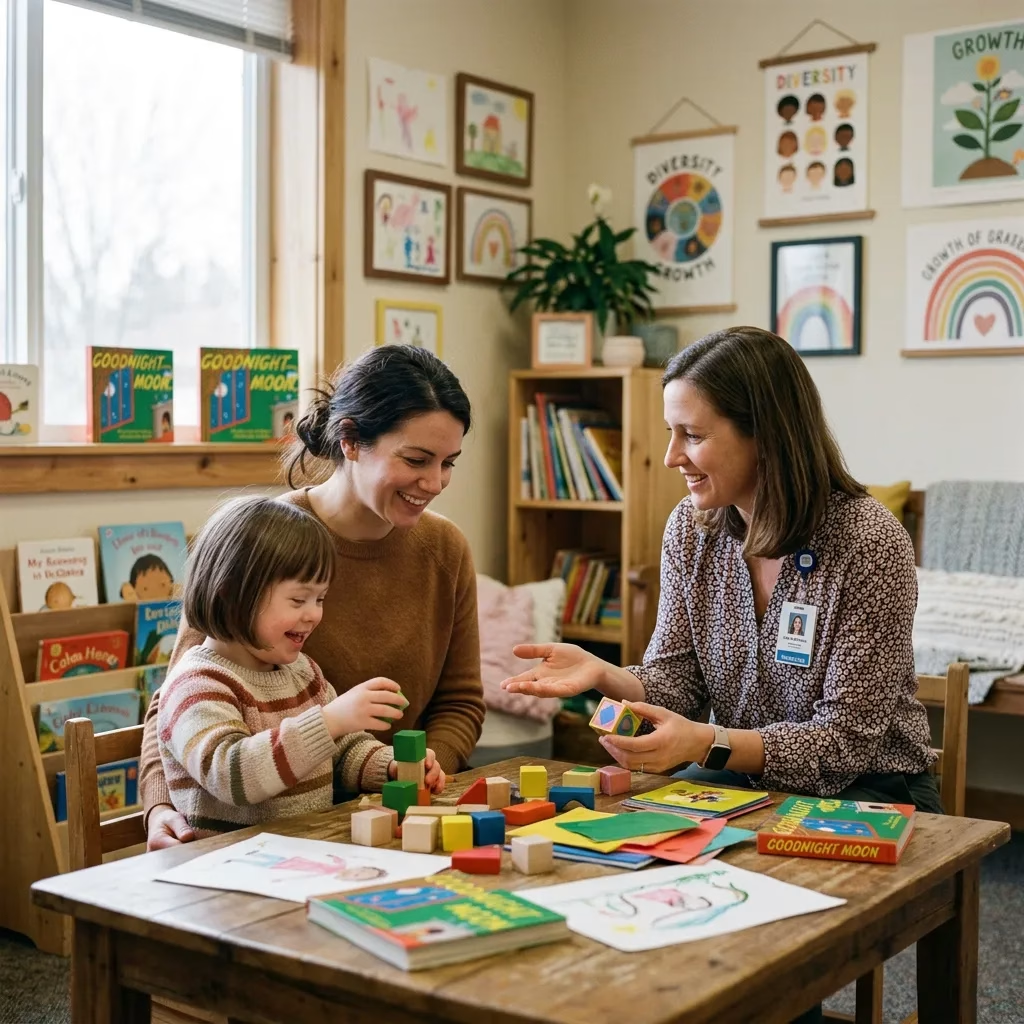
Integrating Play into Daily Routines
Incorporating play into a child’s daily routine is crucial for seamless engagement and development. It ensures that play is not simply an extra activity but a meaningful part of the day. Planning and creativity are key to making this possible.
Here are some practical tips for integrating play:
1. Scheduled Playtime
Dedicate specific times each day for play. Consistent scheduling helps children look forward to these moments and establish a routine.
2. Combination Play
Merge play with daily tasks. Turn bath time into a splash party with floating toys, or transform cleanup time into a fun game where each toy has its own special spot.
3. Interactive Meals
Use mealtime as an opportunity for playful learning. Encourage children to create faces with food items or talk about the colors and shapes on their plates.
4. Play Corners
Create dedicated play spaces in different areas of the home. A small art station or reading nook can motivate a child to engage independently.
Everyday objects can also be play tools. Items like cardboard boxes, kitchen spoons, and pillows can spark creativity and fun. Parents and caregivers can change these objects into magical swords or cozy forts, fueling a child's imagination. This approach promotes continuous learning and joy throughout the child’s day.
Role of Caregivers and Family in Facilitating Play
Caregivers and family members play an essential role in a child’s playtime. Their involvement can enhance the quality and impact of play. Being present and engaged ensures that playtime is both safe and valuable.
Caregivers can support play by:
1. Leading by Example
Initiate games and participate actively, demonstrating enthusiasm and creativity.
2. Observing and Adapting
Pay attention to the child's interests and adapt activities to align with what they enjoy most. This approach encourages more engagement and fulfillment.
3. Providing Encouragement
Praise efforts and celebrate achievements, no matter how small. Positive reinforcement builds confidence and motivation.
4. Fostering Exploration
Allow children to lead play activities and explore freely. This promotes independence and critical thinking.
The active engagement of caregivers and family members enriches the play experience. It strengthens relationships and creates a nurturing environment that boosts a child's growth. Being involved in play can create lasting memories and help develop skills that set the foundation for a brighter future.
Conclusion: Creating a Joyful and Nurturing Environment
The importance of play in pediatric home care cannot be overstated. Play enriches physical, cognitive, and emotional development, allowing children to express themselves and learn naturally. By offering diverse play opportunities and integrating them into daily routines, caregivers facilitate a thriving environment for growth.
Recognizing each child's unique needs and preferences when planning play activities ensures they remain engaged and motivated. This tailoring allows children to reach their milestones in an enjoyable and supportive setting.
At Amelia Home Care, we understand the power of play in fostering well-being and joy. We are committed to creating pediatric home care plans emphasizing fun and personalized growth. Our team works closely with families to ensure your child's needs are met with compassion and dedication. Embrace the benefits of play by choosing Amelia Home Care. Let us help your child thrive through the joy of play.