Call (646) 961-8942 to discuss home care options.
The useful first step is to name what the adult needs help with at home. Then match that list to a licensed home care agency and the right funding path. Amelia's New York home care services cover companion care, personal care, live-in support, and around-the-clock coverage when an assessment and authorization support that level of help.
What home care for adults with neurological disabilities NY can include
A neurological disability affects the brain, spinal cord, or nerves. The National Institute of Neurological Disorders and Stroke describes these conditions in general terms. That information is educational. It is not a diagnosis and it does not decide which home care services a person can receive.
In a home, the practical question is function. Can the adult bathe, dress, move from bed to chair, prepare a meal, and stay safe when nobody else is in the room? Those answers change the plan more than the diagnosis name does.
Home care is different from skilled medical treatment. A home care aide may help with approved daily activities. A nurse, therapist, or physician handles clinical care inside their own role. An aide does not replace emergency services, diagnosis, or treatment. For a sudden change in speech, strength, breathing, or consciousness, contact emergency or medical care first.
Depending on the assessment, authorization, and service plan, support may include:
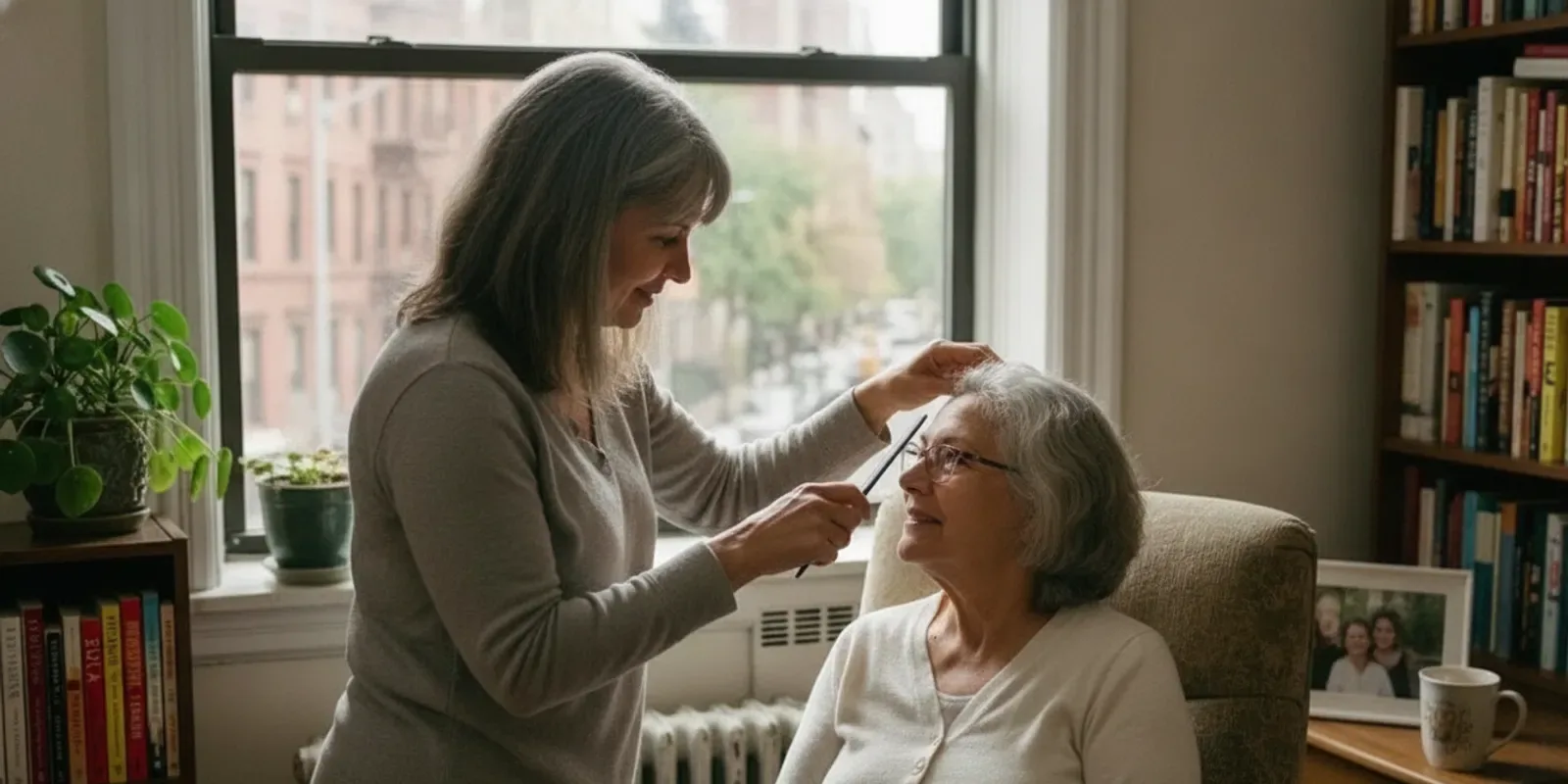
- Bathing, grooming, dressing, and other personal care routines.
- Safe movement in the home and help with transfers, when that help is authorized.
- Meal preparation, hydration reminders, and light housekeeping tied to the person's care.
- Companionship and help staying with a daily routine.
- Notes to family and the care team about routine changes the aide observes.
- A break for an unpaid caregiver when the authorized plan includes that time.
These examples are not a promise of a service, a number of hours, or a specific caregiver. A plan should reflect the adult's abilities, preferences, risks, and goals.
How to compare support levels before you choose an agency
Families often start with "we need more help" and then discover that hourly care, live-in care, and 24-hour care solve different problems. The right level is an assessment question, not a guess from a webpage.
Companion and personal care.
Usual pattern: Scheduled visits of a few hours.
Often considered when: Help with meals or routines, and the adult is safe between visits.
Planning note: Hours follow the authorized plan.
Live-in home care.
Usual pattern: One aide stays in the home.
Often considered when: Overnights are quiet and consistency matters.
Planning note: A sleep break is part of this pattern.
24-hour home care.
Usual pattern: Aides rotate across the day.
Often considered when: Awake help is needed at night.
Planning note: Staffing and authorization are separate.
Waiver-related support.
Usual pattern: Services in an approved plan.
Often considered when: NHTD or TBI rules may apply.
Planning note: Enrollment comes before services.
Amelia describes companion and personal home care, live-in home care, and 24-hour home care in New York City as different schedules. A consultation is where a family can talk through which pattern might fit. The page cannot set hours or approve a benefit.
Physical disability and neurological disability overlap in daily life, but they are not the same planning question. If the main issue is mobility from a physical condition rather than a condition of the nervous system, Amelia's guide to home care for adults with physical disabilities is the closer read. Memory changes from Alzheimer's disease or another dementia raise a different set of safety questions, covered in Alzheimer's and dementia home care.
Funding questions families and care managers should separate
Who pays is a separate question from what kind of help would be useful. Some eligible Medicaid, waiver, or VA-funded services may be available at $0 cost to the family, subject to program rules and authorization. Not every person qualifies. Coverage can change with needs, enrollment, plan, county, and the approved service.
Medicaid long-term care
New York Medicaid may cover certain long-term services and supports for people who meet financial, functional, and program rules. The New York State Department of Health publishes long-term care Medicaid information as a starting point. Families should confirm current rules with the program or plan. Amelia can help organize questions and the next intake step. That help is not an eligibility decision.
NHTD and TBI waivers
The Nursing Home Transition and Diversion waiver and the Traumatic Brain Injury waiver are home and community pathways for people who meet specific requirements. They are not a general home care benefit for every neurological condition. Assessment, application, and authorization still apply.
Amelia's overview of NHTD and TBI waiver programs explains how those pathways differ from ordinary home care. The state also publishes Medicaid waiver information. Use the state or plan instructions for any application. Program details change.
Veterans' benefits
A veteran may have a separate funding conversation through VA benefits, depending on service history, health needs, and enrollment. The VA describes Aid and Attendance and Housebound benefits for some veterans and survivors who need help with daily activities. That page is not a promise that a particular person qualifies. Amelia's veterans home care page is the place to start that conversation, and benefit questions still belong with the VA or an accredited representative.
What this is not
OPWDD services are for people with a developmental disability under that agency's rules. The New York State Office for People With Developmental Disabilities lists types of services it may provide. A neurological condition that begins in adulthood is not automatically an OPWDD matter. When an OPWDD path is the right one, Amelia can help a family understand the process, including document submission through the Amelia app. The app does not guarantee eligibility, approval, hours, speed, or any outcome.
Private-pay arrangements are different again. This article does not quote private-pay prices. If a benefit does not cover the help a family wants, the next step is a consultation, not an assumption that funded care will fill the gap.
What a care manager should gather before the referral
Care managers, social workers, hospital discharge teams, and community organizations often turn a general concern into a referral a family can act on. A short, permission-based summary makes the first call more useful. Amelia's home care referral guide for social workers walks through that planning in more detail.
With the family's permission, and without extra medical detail, gather:
- Preferred name, language, borough or county, and the best contact person.
- The functional concern, stated only as far as the referral needs.
- Current help with bathing, dressing, mobility, meals, transfers, and routines.
- Any recent hospital or rehabilitation stay, or a clear safety change.
- Medicaid, managed care, waiver, Medicare, or VA status, if known.
- Current providers, authorized services, and the next review date, if one exists.
- Schedule preferences, language needs, and any question about caregiver choice.
Do not send full medical records through an unsecured message. Amelia can say what an initial discussion needs and where documents should go. A referral is a conversation about fit. It is not an authorization.
Questions worth asking before services start
A family or care manager can use a short list before choosing an agency:
- Confirm the agency is licensed in New York for this type of home care.
- Ask which tasks an aide may do, and which tasks stay with a clinician.
- Ask which authorization or benefit papers are needed before services start.
- Ask how language preferences, schedule changes, and call-outs are handled.
- Ask who explains the next step if Medicaid, a waiver, or VA funding might apply.
- Ask what intake includes, and what is explicitly not guaranteed.
Amelia Home Care is a New York Licensed Home Care Services Agency. Intake can be bilingual. Aides may speak one of several languages, depending on staffing and the family's needs. Serving areas include Brooklyn, the Bronx, Manhattan, Queens, Staten Island, and Westchester County. None of that sets eligibility or guarantees a match.
Safety and routine details that change the plan
Two adults can share a diagnosis and still need different help. The plan turns on what a normal day looks like, not on the label alone. Ask the people who already help which parts of the day break down first.
Morning care is a common pressure point. Dressing, a shower, and getting from bed to a chair can take much longer after a stroke or as Parkinson's symptoms change. An aide visit timed to that window may matter more than a longer visit later in the day. That timing still has to match the authorized schedule.
Meals and fluids are another practical issue. Some adults need food cut, a reminder to drink, or a simple setup so they can eat without rushing. An aide can help with preparation and reminders when the plan includes that help. Swallowing problems, tube feeding, and medication decisions stay with the clinician. Do not ask an aide to make those calls.
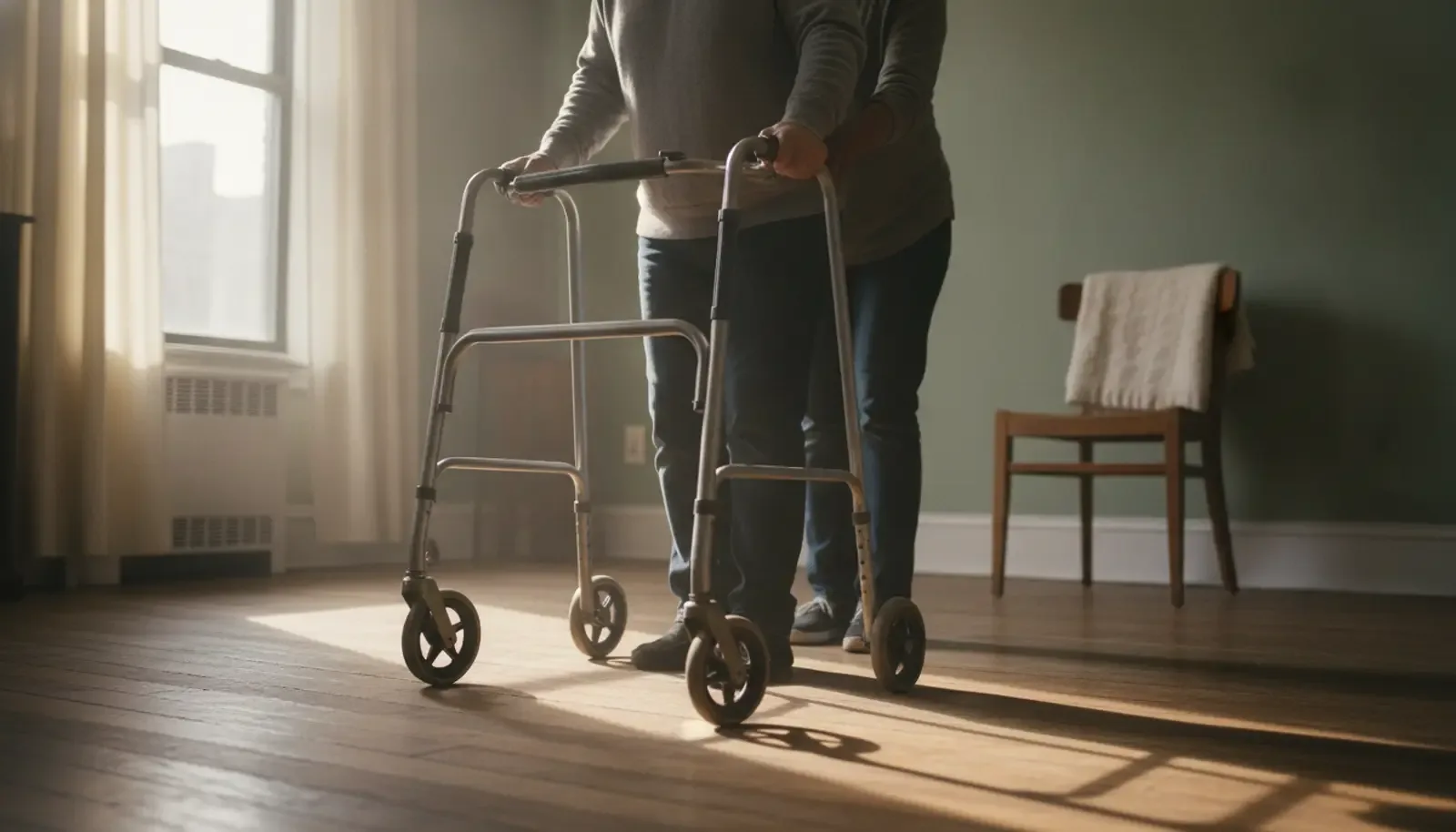
Falls change the conversation quickly. A recent fall, dizziness when standing, or trouble using a walker may point toward more hours or awake overnight coverage. It may also point toward a therapy or medical visit first. Home care does not replace that evaluation. Tell the agency about the fall so the schedule discussion starts from the real risk.
Communication needs belong in the same list. Speech changes, hearing loss, or a preferred language can slow every routine if the aide and the adult cannot understand each other. Amelia offers bilingual intake, and multilingual aide support may be available. Availability depends on staffing. It is not guaranteed for every language or every shift.
Fatigue is easy to underestimate. Multiple sclerosis and some brain injuries can make afternoon energy drop even when the morning looked steady. A plan that piles every task into one visit may not match that pattern. Shorter visits at the harder parts of the day are sometimes a better fit, if the benefit and the schedule allow them.
Write these details down before the consultation. A one-page note on mornings, meals, falls, language, and energy gives the intake team something concrete to discuss. It does not approve services. It keeps the first call from starting at zero.
If a family member hopes to be paid to provide care, that possibility belongs to specific programs and rules, including some self-direction arrangements when the person is eligible. It is not automatic, and it is not the same as every adult home care plan. Ask about it directly rather than assuming a webpage has already approved it.
A practical next step for families and referral partners
Bring the functional list, the current benefit status, and the questions above. Amelia can help a family or an authorized referrer see whether the next step is a consultation, a waiver or benefits discussion, more information for a care team, or a referral elsewhere.
Start with a free consultation request or share the contact page with the family. A care manager can call with the summary and ask what else is needed.
Call (646) 961-8942 for a free consultation or eligibility discussion
Frequently asked questions
Does a neurological diagnosis automatically qualify an adult for home care in New York?
No. A diagnosis explains the condition. It does not by itself approve services, hours, or payment. A qualified assessment and the rules of Medicaid, a health plan, a waiver, or another benefit decide what may be covered. Some adults will not qualify.
Can home care for adults with neurological disabilities NY be covered at no cost to the family?
Sometimes. Eligible Medicaid, waiver, or VA-funded services may be available at $0 cost to the family when program rules and an authorization are met. That is not true for every person, every service, or every private-pay request. Confirm the current benefit before planning around $0 cost.
Are the NHTD and TBI waivers the same as ordinary Medicaid home care?
No. They are specific home and community waiver pathways with their own eligibility rules. Ordinary Medicaid long-term care is a different route. A neurological diagnosis does not place someone in either waiver. The state or the plan makes that decision.
What should a hospital discharge planner send with a referral?
Send a short summary the family has allowed you to share: location, language, daily-care needs, recent stay, known coverage, and the best contact. Hold back records that are not needed for the first call. Amelia can say which documents belong in a later, secure step.
How fast can an aide start?
There is no standard start date. Authorization, staffing, language, schedule, and the type of care all affect timing. Amelia does not guarantee placement, a start date, or a number of hours. A consultation is the place to learn what is known and what is still open.
This article is general education. It is not medical, legal, or benefits advice. Eligibility, covered services, hours, costs, and authorizations depend on current program rules and an individual assessment. Amelia does not guarantee approval, placement, service hours, payment, or any particular outcome.