
Handling emergencies in a home care setting can be challenging for any parent. When caring for a child with special needs, being prepared for unexpected situations becomes even more vital. A plan can make a big difference in managing these emergencies safely and effectively.
Mental preparedness is just as important as having a physical plan in place. Keeping a calm outlook during emergencies can help manage stress levels for parents and children. With the right tools, strategies, and support, parents can confidently face emergencies while ensuring the safety and well-being of their children at home.
Preparing for Common Emergencies
Various emergencies can arise in a home care setting, and being prepared is crucial for parents. Common emergencies might include allergic reactions, asthma attacks, seizures, or accidental injuries. Recognizing these possibilities helps craft a plan to handle them effectively.
For immediate response, parents should have a well-stocked emergency kit. Essential supplies include:
- A first aid kit with bandages, antiseptics, and gauze.
- Medications specific to the child’s medical conditions, like inhalers or EpiPens.
- A thermometer and a pair of scissors.
- Flashlight with extra batteries.
- Contact information for doctors and emergency services.
Creating a tailored emergency plan is a necessary step in preparation. Start by assessing your child’s health needs and potential risks. Then, outline clear steps for each scenario. For instance, if your child has asthma, know the signs of an attack and when to use medications. Make appointments with healthcare providers to ensure the plan is medically sound.
Ensure that everyone in the household understands the plan. Post the steps in a visible location and practice them regularly. A well-prepared household can effectively manage emergencies, keeping children safe and secure.
Effective Communication During Emergencies
Clear communication is vital when dealing with emergencies. It ensures medical professionals have the information they need to provide the best care for your child. Parents should know how to convey important details quickly and efficiently.
To communicate effectively, prepare to provide the following information:
- The child’s current condition and symptoms.
- Relevant medical history or any ongoing treatments.
- Any medications the child is taking, including recent doses.
- Your location and the estimated time since the emergency started.
Keeping emergency contact information easily accessible is key. Here are some tips to do that:
- Store important phone numbers under a dedicated emergency contact list.
- Create a physical list of contacts and place it in a common area, such as on the refrigerator.
- Use a medical alert system if appropriate to provide quick connections to emergency services.
Training yourself to relay critical information clearly ensures your child receives the necessary care swiftly. Communication is not just about speaking but also about organizing information to share when every second counts rapidly.
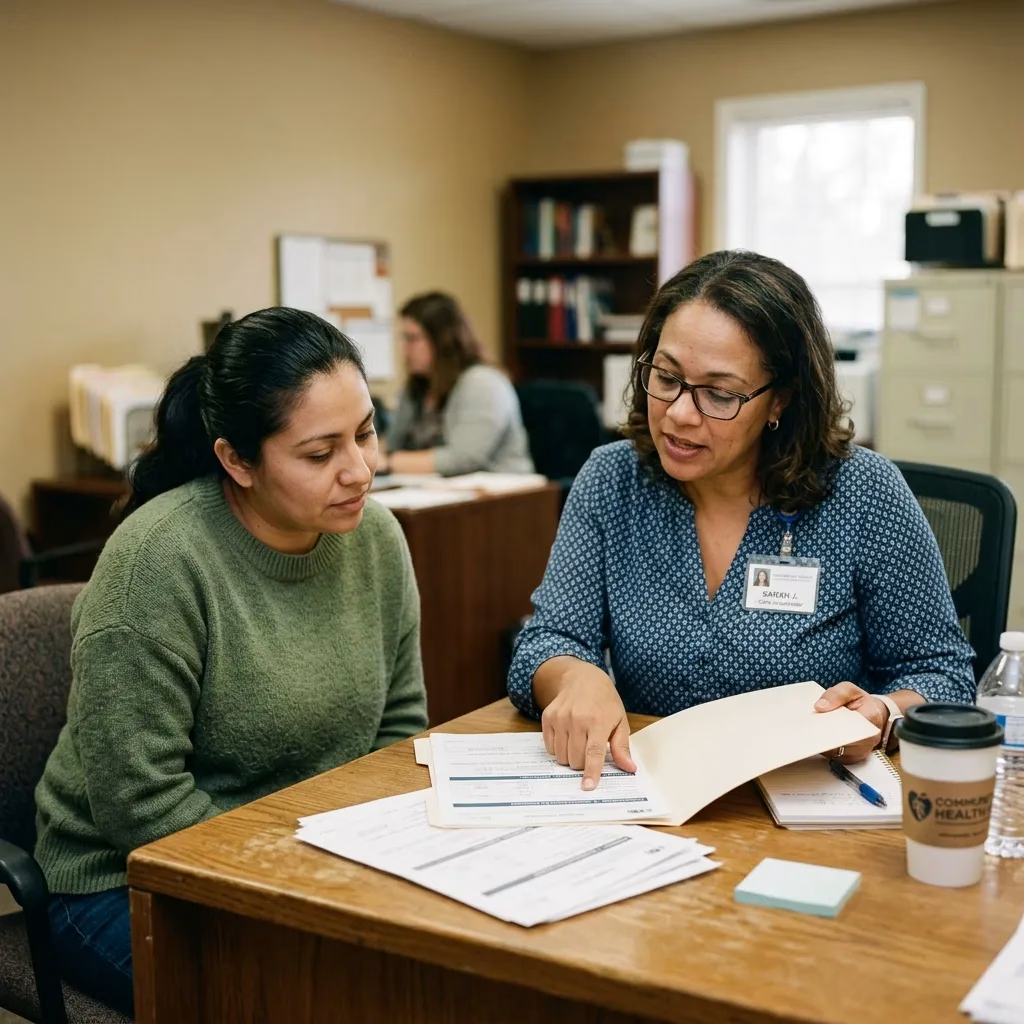
Training and Empowering Family Members
Training family members to handle emergencies is vital in ensuring a child's safety in a home care setting. The outcome can be significantly improved when everyone knows how to react during unexpected situations. Knowledgeable family members can act quickly and accurately, providing the necessary first aid or guidance until professionals arrive.
To prepare the family effectively, consider acquiring essential skills and certifications. Encourage family members to take basic first aid and CPR courses. These skills are useful for kids and everyone in the house. Local community centers, hospitals, or the Red Cross often offer these programs.
Regular drills and practice sessions are crucial for reinforcing these skills. Schedule them periodically and simulate different emergency scenarios. For example, practice what to do in case of a fire or a severe allergic reaction. Ensure everyone knows the assigned roles and responsibilities, making the exercises as realistic as possible without causing distress. By practicing regularly, families can build confidence and readiness, making them better equipped to handle real emergencies when they arise.
Mental Preparedness and Support
Staying calm and focused in emergencies is as important as having physical plans. Panic can worsen situations, so mental preparedness is key. Both parents and children need strategies to manage stress effectively during emergencies.
One way to manage stress is through simple breathing exercises. Teach children how to take slow, deep breaths to calm down when anxious. Demonstrating this practice regularly helps them learn to use it in stressful times. Parents can also benefit from mindfulness techniques, allowing them to stay centered and clear-headed.
Having supportive resources available is crucial. Consider counseling or joining support groups where parents can share experiences and strategies. These platforms provide encouragement and advice from peers who understand similar challenges. Knowing what resources are available can provide peace of mind and support ongoing mental well-being for both parents and children.
Conclusion
Preparing for emergencies in a home care setting involves more than just having a first aid kit. It requires thoughtful planning, clear communication, and mental readiness. By engaging and training family members, you create a team that is well-equipped to respond to various situations. Maintaining open lines of communication with medical professionals and using stress management techniques further strengthens your ability to keep children safe.
At Amelia Home Care, we believe in empowering families through knowledge and support. We invite you to learn more about how our pediatric home care can assist in preparing for emergencies and ensuring a safe environment for your loved ones. Our dedicated team is here to provide guidance and resources tailored to your unique needs, helping you feel confident and secure. Visit our website to explore how we can help enrich and safeguard your family's home care experience.